
The Hidden Patterns Behind Sales Performance
Why understanding what drives your sales is more powerful than chasing them.
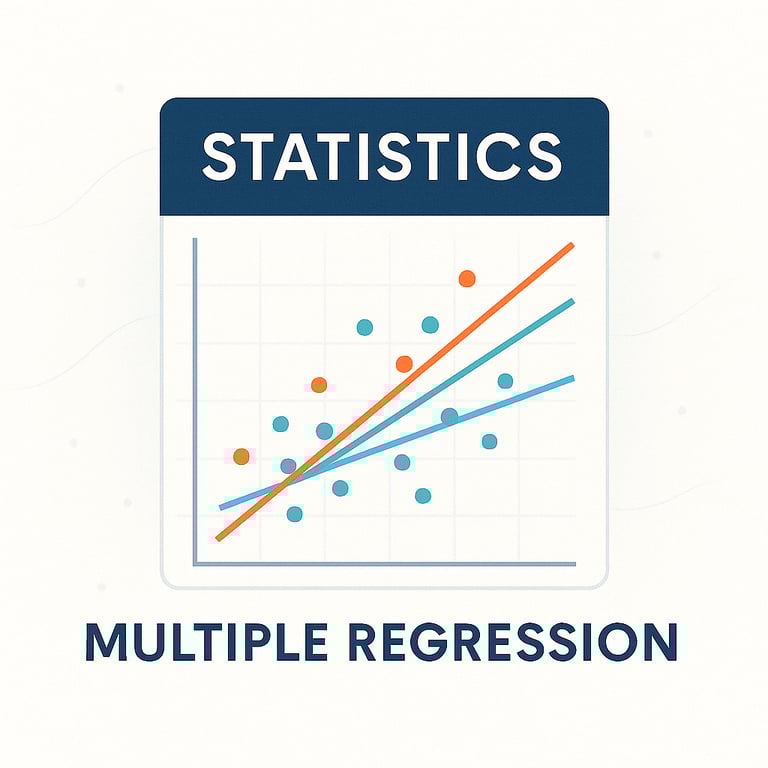
Why understanding what drives your sales is more powerful than chasing them
Every analyst has felt it, that moment when sales suddenly rise or fall, and no one can quite explain why.
Was it the campaign? The market? The timing? Or just luck?
The truth is: it’s almost never luck.
Behind every sales curve lies a set of invisible forces — patterns that quietly determine whether a promotion thrives or fades away.
Most teams look at surface-level metrics: clicks, conversions, discounts. But the real story lives deeper, in the relationships between actions, timing, and competition.
Seeing the invisible
When we started digging into performance data week by week, something fascinating appeared.
Sales weren’t random, they followed a rhythm.
A rise in one factor triggered movement in another. Market shifts rippled into campaign results. Some offers had an echo effect that lasted beyond the campaign itself, while others collapsed the moment the ad stopped running.
It became clear that the market behaves more like an ecosystem than a scoreboard.
The best results didn’t come from shouting louder or discounting deeper but from understanding when and why the market listens.
Where data meets intuition
By translating raw data into behavioral patterns, we could finally see what really moves the needle.
Not every promotion deserves the same timing.
Not every product needs the same offer.
And not every competitor move deserves a reaction.
Once those dynamics become visible, teams stop guessing and start designing.
Campaigns become proactive instead of reactive.
Budgets go where impact actually happens.
The insight that changes everything
When you stop chasing sales and start decoding them, you realize:
performance isn’t an outcome, it’s a pattern waiting to be understood.
The companies that win aren’t just faster or louder.
They’re the ones that learn to read their own rhythm and use it to move smarter, not harder.